
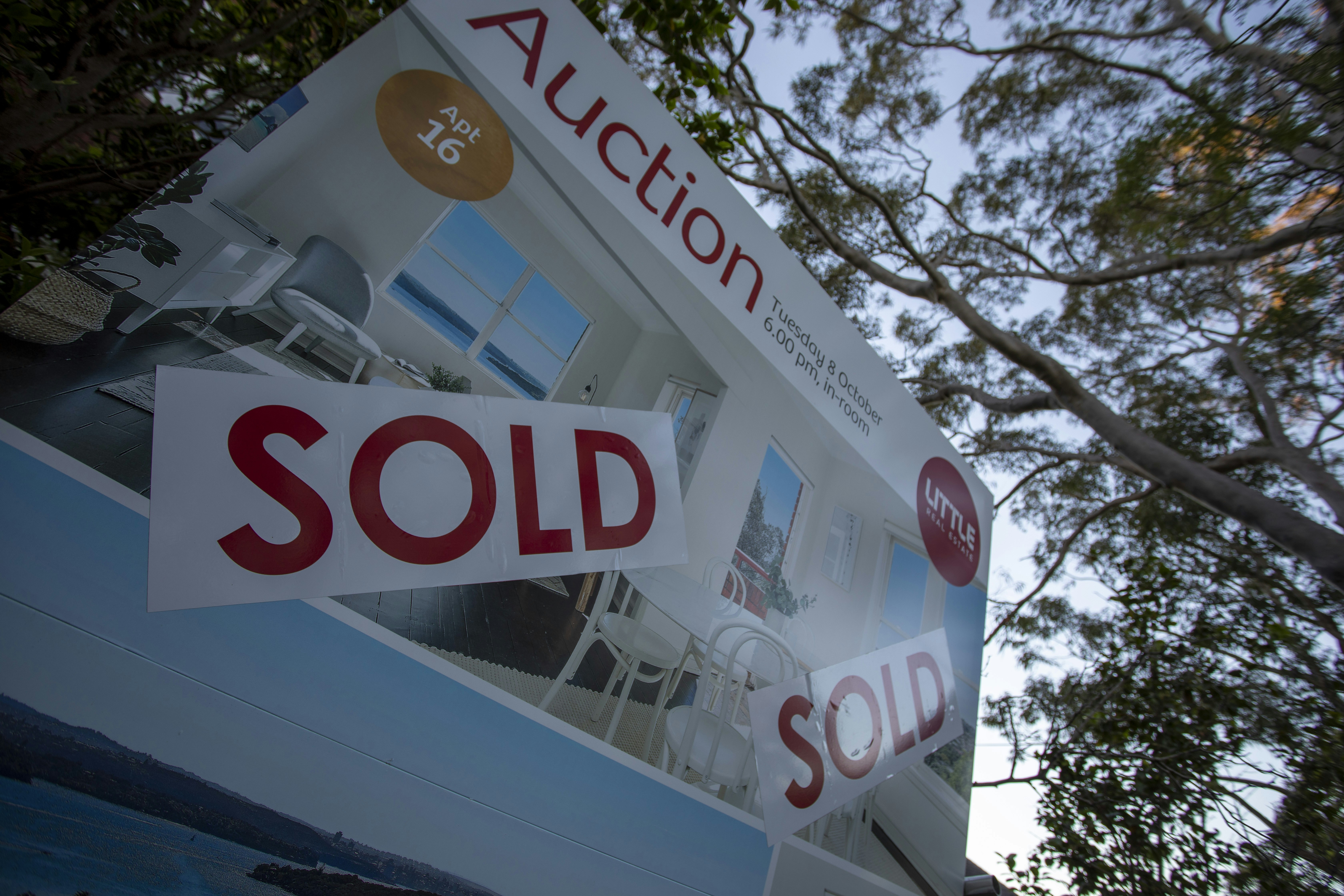
Understanding Foreclosure
Foreclosure is a legal process by which a lender attempts to recover the balance of a loan from a borrower who has stopped making payments. This process typically occurs when a homeowner defaults on their mortgage obligations, triggering the lender to reclaim the property used as collateral for the loan. Foreclosure can have significant consequences for the borrower and is generally viewed as a last resort for both parties involved.
The foreclosure process generally proceeds through several stages, starting with the default on the mortgage payments. After a specified period of non-payment—often three to six months—lenders initiate the process by sending a notice of default to the borrower, indicating that the loan is in arrears and outlining the potential next steps. If the situation does not resolve, lenders may move forward with a foreclosure filing, which legally allows them to take possession of the property.
There are two primary types of foreclosure mechanisms: judicial and non-judicial. In judicial foreclosure, lenders must file a lawsuit, allowing the borrower the opportunity to contest the claim in court. Conversely, non-judicial foreclosure allows lenders to bypass court and proceed directly with property sale, based on the terms outlined in the mortgage agreement.
Legal ramifications of foreclosure can be extensive, often resulting in a long-term impact on the borrower’s credit score. A foreclosure can cause a significant drop, sometimes by 100 points or more, which can hinder future financial opportunities, such as obtaining new loans or credit. Homeowners facing financial difficulties should consider seeking assistance, such as loan modifications or other forms of relief, to avoid the adverse effects associated with foreclosure.
The Pre-Foreclosure Stage Explained
The pre-foreclosure stage is a critical period for homeowners facing financial difficulties and potential loss of their property. This phase occurs after a homeowner defaults on their mortgage payments but before the property is officially foreclosed. During this time, lenders typically send a notice of default to inform the homeowner of their delinquency on payments. This document outlines the outstanding amount needed to bring the mortgage current and indicates that the lender may initiate foreclosure proceedings if the overdue payments are not resolved promptly.
Homeowners in pre-foreclosure have several options available to them. The most common course of action is to negotiate with the lender to come up with a repayment plan or loan modification that can help them avoid losing their home. Engaging in dialogue with the lender might also lead to opportunities for refinancing or temporary payment relief programs aimed at assisting those currently in financial distress.
For homeowners, this period holds significant importance, as it provides them with a window of opportunity to seek alternatives to foreclosure. One of the most beneficial strategies includes selling the property, often at a value that can cover the mortgage balance, thereby averting foreclosure and preserving credit standings. Additionally, investors often capitalize on the pre-foreclosure stage by identifying properties that may soon enter the market. Investors can explore acquiring these homes directly from owners or at auction, potentially securing properties at below-market prices.
Overall, the pre-foreclosure stage is essential for both homeowners and investors alike. Homeowners can proactively address their financial challenges, while investors can strategically position themselves to purchase properties before they enter the foreclosure market. Thus, understanding this phase is crucial for all parties involved in real estate transactions related to distressed properties.
Key Differences Between Pre-Foreclosure and Foreclosure
The stages of pre-foreclosure and foreclosure represent different legal standings in the process of property default. When a homeowner misses mortgage payments, the property enters pre-foreclosure. During this initial phase, the lender typically notifies the homeowner of the default status, providing a heightened opportunity for the homeowner to rectify their financial issues. This stage allows the homeowner to negotiate with the lender, explore loan modifications, or sell the property to avoid further consequences.
In contrast, foreclosure signifies that the lender has seized the property after the homeowner failed to make mortgage payments for a significant period. The foreclosure process results in the homeowner losing their legal rights to the property, allowing the lender to sell the home to recover the outstanding loan balance. Consequently, homeowners facing foreclosure have far fewer options available compared to those still in pre-foreclosure.
The rights of the homeowner diminish substantially once the foreclosure process begins. Homeowners in pre-foreclosure may still negotiate loan terms, pursue alternatives, and retain ownership, while those in foreclosure must vacate the property. This dichotomy significantly affects investment opportunities too. Investors often view pre-foreclosure homes as potential bargains due to favorable negotiation conditions, whereas foreclosures may require more extensive repairs and legal procedures, potentially making them less appealing investments.
The differences between pre-foreclosure and foreclosure thus have far-reaching implications not only for homeowners but also for prospective buyers and the overall real estate market. Understanding these distinctions can better inform potential investors on how to approach purchasing properties, depending on their current status.
Navigating Options: What to Do in Each Stage
Understanding the options available at both pre-foreclosure and foreclosure stages is crucial for homeowners seeking to navigate the complexities of the housing crisis. In the pre-foreclosure phase, homeowners still have some time and flexibility. One potential strategy is pursuing a loan modification. This process involves negotiating new terms with the lender to make the mortgage payments more manageable. Homeowners may be able to lower their interest rates or extend the payment period, thereby reducing their monthly obligations.
Another effective approach is selling the property through a short sale. In a short sale, the homeowner sells the home for less than the outstanding mortgage balance, with lender approval. This helps avoid the more damaging process of foreclosure while still providing some financial relief. Additionally, working with a real estate professional who specializes in distressed properties can yield significant benefits. They can offer guidance, assist in negotiations, and help market the property effectively, which may increase the chances of a successful sale.
For investors, the pre-foreclosure stage presents unique opportunities. Investors can contact homeowners directly to discuss potential purchases, often securing properties at lower prices before the situation escalates to foreclosure. In contrast, purchasing properties in foreclosure can also yield significant returns, but often requires more capital upfront and involves navigating the complexities of public auctions or bank-owned sales.
In summary, both pre-foreclosure and foreclosure stages present distinct challenges and opportunities. Homeowners and investors alike must assess their options carefully, considering factors such as potential negotiations, market conditions, and their financial goals. By being proactive and informed, they can make strategic decisions to optimize their outcomes in this challenging landscape.